Refine Your Results By:

bottoms
(741 items)
bottoms

Select filter

Size 26 styles

Price 5 styles

Select filter

to

Select filter

741 items

Plus Size Bottoms for Work, Weekends and Everyday Style

What Are Plus Size Bottoms?

Plus size bottoms are garments worn from the waist down and proportioned for fuller figures. The category includes jeans, pants, leggings, skirts, shorts, joggers and cropped styles for different dress codes, activities and seasons. Although each type serves a different purpose, a comfortable fit depends on how the waistband, rise, hips, thighs and length work together.

The right bottoms can establish the shape and function of an entire outfit. A structured trouser creates a polished foundation, while relaxed denim, soft leggings or a flowing skirt changes how the same top looks and feels. Instead of choosing by trend alone, consider where you are going, how much movement you need and where you prefer your waistband and hem to sit.

Choose Bottoms Around the Way You Spend Your Day

Work, School and Polished Plans

For offices, presentations, interviews or occasions with a polished dress code, look for bottoms that hold their shape while allowing you to sit and move comfortably. Ponte trousers can provide a smooth, structured appearance with stretch, while straight, bootcut and wide-leg pants create distinct silhouettes. A midi or maxi skirt can offer another polished option when paired with a blouse, sweater or fitted knit top.

Check whether the fabric wrinkles easily, whether the pockets lie flat and whether the hem works with your intended shoes. If you spend much of the day seated, test the waistband while sitting rather than judging the fit only while standing.

Errands, Travel and Casual Weekends

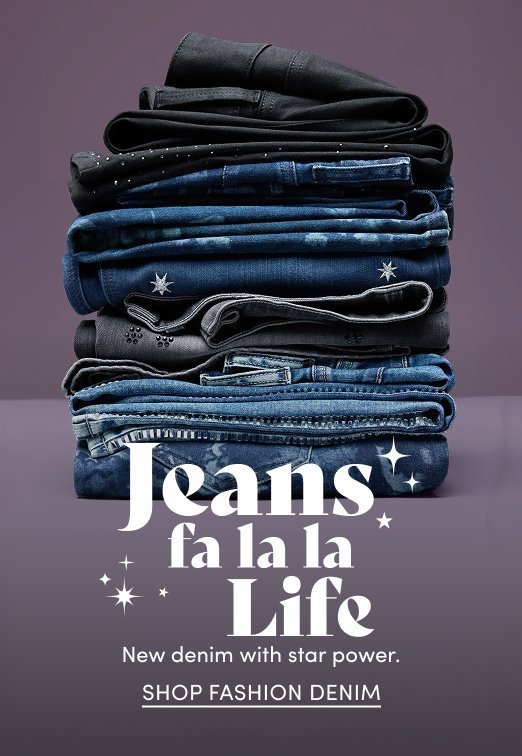
Jeans, casual pants, joggers and leggings can all anchor an everyday outfit. The best choice depends on how much structure you want. Denim creates a defined silhouette, a soft pull-on pant feels more relaxed and leggings provide a close fit that can work alone or as a layer.

For travel or long days away from home, consider stretch, pocket placement, waistband construction and ease of care. A garment that feels comfortable for five minutes may behave differently after several hours of sitting, walking or bending.

Active Days and Lounging

Movement-focused bottoms should stay in place without restricting your stride. Look at the waistband, fabric stretch, seam placement and pocket design when comparing plus size active bottoms. Active leggings, yoga pants and performance bottoms are designed for workouts and movement, while casual joggers and soft knit pants may be better suited to low-impact days, travel or lounging.

Dinners, Parties and Special Occasions

A skirt, flare pant, wide-leg trouser or fashion-forward jean can build the foundation of a going-out look. Texture and movement matter here: faux leather can add edge, lace can create visual detail, and drapey fabrics can move fluidly. Balance a statement bottom with a simpler top, or repeat a color or texture elsewhere in the outfit to make the look feel intentional.

Style an Outfit from the Bottom Up

Bottoms influence proportion, so it helps to choose the silhouette before completing the rest of the outfit.

  1. Decide where you want definition. A tucked or cropped top emphasizes the waistband. A relaxed untucked top creates a longer vertical line through the torso.
  2. Balance fitted and relaxed shapes. Pair a wide or flowing bottom with a closer-fitting top for contrast, or wear a fitted bottom with a loose blouse, tunic or sweater. These are options rather than rules—the goal is a proportion that feels right to you.
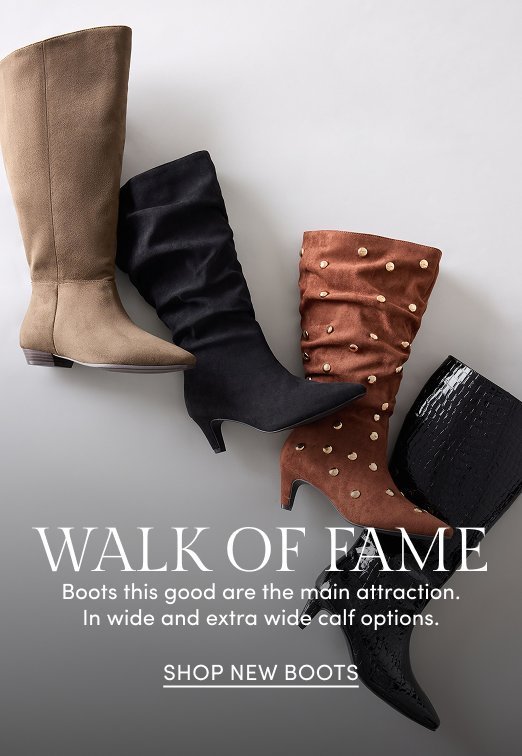
  3. Use footwear to finish the hemline. Sneakers keep denim, joggers and casual skirts relaxed. Flats and loafers can make trousers feel polished, while boots and heels may change where a full-length hem falls. Browse wide width shoes after choosing the bottom length.
  4. Add layers without hiding the outfit. Explore plus size tops that meet or overlap the waistband comfortably. A cropped jacket can preserve waist definition, while longer jackets and outerwear create more vertical coverage.

Prints, washes and color also affect versatility. A neutral bottom can support patterned or brightly colored tops, while a printed skirt or bold pant can act as the outfit’s focal point.

Adapt Bottoms to the Weather and Season

Bottoms can stay in rotation across seasons when their fabric, length and layers suit the temperature.

  • Warm weather: Shorts, skirts, crops and lightweight woven pants provide less coverage or greater airflow. Consider fabric weight and opacity, especially in light colors.
  • Transitional weather: Jeans, ankle pants, midi skirts and leggings work well when temperatures change throughout the day. Add or remove a cardigan, jacket or tights as needed.
  • Cold weather: Full-length denim, trousers and heavier knits provide more coverage. Leggings may also work beneath longer tops, dresses or skirts when the fabric and fit are comfortable for layering.
  • Rain and unpredictable conditions: Cropped or ankle-length bottoms can help keep hems away from wet ground. Choose footwear and outer layers based on the actual conditions rather than the season alone.

What Makes Torrid Plus Size Bottoms Different

We design plus size bottoms with the relationship between the waist, low hip, rise, thighs and length in mind. Our assortment includes close-fitting, straight, bootcut, flare, barrel, wide-leg and flowing silhouettes, giving you options beyond simply making one shape larger. Details such as stretch, pull-on waistbands, pockets, different rises and multiple lengths vary by garment so you can choose around your proportions and preferences.

Fabric helps determine how each silhouette behaves. Depending on the style, our bottoms may include stretch denim, structured ponte, soft jersey, challis, twill, gauze, linen blends or poplin. Stretch denim can combine familiar jean structure with flexibility, while ponte offers a polished look with comfortable stretch. Challis and other drapey wovens create more movement, and soft knits work well for relaxed or close-fitting styles. Always review the individual product’s fabric composition, stretch level and care directions because these details differ.

Our size and fit information is intended to make those differences easier to compare. Product pages may identify rise, inseam, silhouette and model information alongside materials and care. Those measurements offer more useful guidance than relying on the size number alone.

Check Fit at the Waist, Hips and Hem

Begin with Waist and Low-Hip Measurements

Use a soft measuring tape and compare your waist and low-hip measurements with the Torrid size guide. Keep the tape level and comfortably close to the body without pulling it tight. If your measurements fall into different sizes, consider which area is most fitted in that garment and read its fabric details before deciding.

Consider Rise and Waistband Construction

Rise describes the distance from the crotch seam to the top of the waistband. High-rise bottoms sit higher on the torso, while mid-rise styles sit lower. Your torso length and preferred coverage can affect how the same stated rise feels.

A comfortable waistband should remain secure without rolling, slipping or digging in. Pull-on and elasticized waists may feel different from button-and-zip closures, even when the labeled size is the same.

Review the Hips, Seat and Thighs

Fitted styles should follow the body without producing strain lines, pulling pockets open or limiting movement. Relaxed silhouettes should have intentional ease without feeling unstable at the waist. Sit, walk and bend to determine whether the garment stays positioned comfortably.

Confirm the Length with Your Shoes

Inseam measures the inside leg from the crotch to the hem. For pants and jeans, compare the listed inseam with a pair you already like. For skirts and shorts, consider where the hem falls on your own height rather than relying on terms such as mini, midi or Bermuda alone.

Fit signal What to review
Waistband gaps at the back Rise, waist measurement and waistband construction
Fabric pulls across the hips Hip room, stretch level and silhouette
Inner-thigh seams feel tight Thigh ease, fabric recovery and size
Hem pools on the floor Inseam, intended footwear or a shorter length
Bottoms shift while walking Waist security, rise and overall size

Compare the Main Types of Plus Size Bottoms

Category Useful characteristics and occasions
Pants Casual, work-ready and dressier silhouettes in structured or flowing fabrics
Jeans Durable everyday options in skinny, straight, bootcut, flare, barrel and wide-leg shapes
Leggings Close-fitting foundations for casual outfits, layering and selected active uses
Skirts Mini, midi and maxi lengths with fitted, A-line, pleated or flowing shapes
Shorts Warm-weather and layering options with different inseams and levels of coverage
Joggers Relaxed bottoms for casual plans, travel and lounging
Cropped bottoms Ankle, crop and capri lengths that highlight footwear and keep hems off the ground
Wide-leg bottoms Roomier leg shapes that create movement from the hip or thigh to the hem
Ponte pants Stretchy, structured options that can transition between work and other polished settings

Build a More Useful Bottoms Rotation

A versatile wardrobe does not require every silhouette. Begin with the situations that appear most often in your schedule, then identify any practical gaps.

  • Keep at least one dependable everyday bottom that works with several tops and shoe styles.
  • Add a polished option for work, events or occasions when denim feels too casual.
  • Include a weather-appropriate choice for the warmest or coldest conditions where you live.
  • Choose one silhouette, color or print that gives your wardrobe variety.
  • Follow each care label so stretch, color and shape last as intended.

Questions About Choosing and Wearing Plus Size Bottoms

What size range does Torrid offer in bottoms?

Our current apparel size guide spans Torrid sizes 000–6, equivalent to conventional sizes 8–30. Available sizes can vary by product, color and length, so check the options listed on the individual product page.

Should I size up in plus size bottoms?

Not automatically. Compare your waist and low-hip measurements with the size guide, then review the garment’s rise, silhouette and stretch. A fitted nonstretch garment may require a different decision than a relaxed or highly stretchy style.

How should a waistband fit?

It should feel secure while standing and sitting without pinching, rolling or slipping. The closure should fasten without strain, and pockets or seams near the waist should lie as intended.

What is the difference between high-rise and mid-rise bottoms?

High-rise bottoms sit higher on the torso, while mid-rise bottoms sit closer to or below the natural waist. Where each rise lands depends partly on your torso length and the garment’s actual rise measurement.

How do I choose the right inseam?

Measure the inseam of a similar pair that falls where you want it to, then compare that number with the product details. Account for the shoes you plan to wear and whether the silhouette is straight, flared or cropped.

Which bottoms work well for an office?

Ponte trousers, tailored pants and polished midi skirts are common choices. Consider your workplace dress code, fabric structure, opacity, hem length and how the garment feels after sitting for an extended period.

Can leggings be worn as everyday bottoms?

Yes, when the fabric, coverage and styling suit your plans. Pair them with tees, sweaters, tunics or jackets, and check the fabric’s opacity while standing, bending and sitting.

Which bottoms are useful for travel?

Stretch jeans, joggers, leggings and pull-on pants can work well for travel. Prioritize a secure waistband, useful pockets, comfortable fabric and a fit that remains easy while sitting for long periods.

How can I style wide-leg bottoms?

Try a tucked, cropped or closer-fitting top to show the waistband, or use a relaxed top with some intentional structure. Choose shoes after checking the hem so the fabric does not drag.

How can I prevent pants from gapping at the back waist?

Review the waist and low-hip measurements, rise and waistband construction. A different cut or size may align better with your proportions. A belt can help with a minor gap but cannot correct an otherwise poor fit.

What should I wear under skirts to reduce thigh friction?

Depending on your comfort and the skirt’s fabric, consider lightweight smoothing shorts, bike shorts or another breathable base layer. Make sure the underlayer remains concealed beneath the hem.

How should I wash stretchy bottoms?

Follow the garment’s care label. Cold water and gentle washing are commonly used for stretch fabrics, while excessive heat may affect elasticity. Product instructions should take priority because fiber blends vary.

How often should jeans and pants be washed?

Wash them when they are visibly soiled, have absorbed odor or no longer feel fresh. Washing less frequently when appropriate may help preserve color and shape, but activity level and fabric type also matter.

How do I know whether bottoms are too tight?

Common signs include a waistband that pinches, pulling across the hips, strained closures, distorted pockets or restricted sitting and walking. The garment should feel secure without limiting normal movement.