



-
50% OffAvailable In Extended Sizes
-
-
50% OffAvailable In Extended Sizes
-
-
50% Off
-
-
50% OffAvailable In Extended Sizes
-
-
-
50% Off
-
-
50% Off
-
-
50% Off
-
-
50% Off
-
-
50% Off
-
-
-
Limited Time Deal
-
50% Off
-
-
60% Off
-
-
Limited Time Deal
-
-
Limited Time Deal
-
-
50% Off
-
-
50% Off
-
-
40% Off
-
-
-
60% Off
-
Limited Time Deal
-
60% Off
-
-
60% Off
-
-
50% Off
-
-
Limited Time Deal
-
50% Off
-
-
-
60% Off
-
Limited Time Deal
-
Refine Your Results By:
bras
(280 items)
Sort & Filter
Styles
- wire-free
- plunge
- t-shirt
- perfect coverage
- bralettes & bandeaus
- full coverage
- balconette
- strapless
- front-close
- sports bras
- multipack
- accessories
- 360 back smoothing
- bralette pullover bras
- $10 off select bras
- butter soft micro bras
- convertible
- full coverage front-close
- full coverage t-shirt bras
- minimizer
- neutral bras
- perfect coverage front-close
- perfect coverage t-shirt
- plunge front-close
- seamless bras
- simply cotton bras
- wire-free front close
- wire-free pullover bras
- wire-free t-shirt bras
view more+
Color 17 styles
Size 73 styles
- OS
- 00
- 0
- 1
- 2
- 3
- 4
- 5
- 6
- 36C
- 36D
- 36DD
- 36DDD
- 36F
- 36G
- 36H
- 38C
- 38D
- 38DD
- 38DDD
- 38F
- 38G
- 38H
- 40B
- 40C
- 40D
- 40DD
- 40DDD
- 40F
- 40G
- 40H
- 42B
- 42C
- 42D
- 42DD
- 42DDD
- 42F
- 42G
- 42H
- 44B
- 44C
- 44D
- 44DD
- 44DDD
- 44F
- 44G
- 44H
- 46B
- 46C
- 46D
- 46DD
- 46DDD
- 46F
- 46G
- 46H
- 48B
- 48C
- 48D
- 48DD
- 48DDD
- 48F
- 50B
- 50C
- 50D
- 50DD
- 50DDD
- 52B
- 52C
- 52D
- 52DD
- 54B
- 54C
- 54D
view more+
Price 4 styles
to
Collection 8 styles
More Filters
Padding Level
3 styles
Back Type
6 styles
Fabric
5 styles










Today’s Deals
Plus Size Bras Designed for Support, Comfort and Personal Style
What Is a Bra?
A bra is a foundational garment designed to support the breasts, shape the bust and create a comfortable base beneath clothing. Its fit depends on more than a band and cup size: cup coverage, wire placement, strap design, lining, fabric and back construction all influence how a bra feels and works with an outfit.
The right plus size bra is the one that supports your body without requiring constant adjustment. Some women prefer structured underwire cups, while others feel their best in flexible wireless designs. A smooth T-shirt bra may be ideal beneath fitted knits, while a plunge, balconette or strapless silhouette can better accommodate a particular neckline. Rather than expecting one bra to do everything, consider building a small rotation suited to your everyday wardrobe, activities and preferred level of coverage.
Choose a Bra Based on What You Need It to Do
Start with function, then compare fit and fabric. The following guide can help narrow the options:
| If you want… | Consider… | Why it may work |
|---|---|---|
| Flexible everyday support | Wireless bras | Wire-free construction removes the underwire while supportive fabrics, cup shaping and bands help provide structure. |
| A smooth look under fitted tops | T-shirt bras | Smooth, typically molded cups help reduce visible seams beneath tees and close-fitting knits. |
| More cup coverage | Full coverage bras | Higher cups can help contain more breast tissue and minimize spilling at the neckline or underarms. |
| Compatibility with low necklines | Plunge bras | A lower center front works with V-necks and other open necklines. |
| Lift with an open neckline | Balconette bras | Wider-set straps and a more open cup line complement square, scoop and sweetheart necklines. |
| Support without visible shoulder straps | Strapless bras | Strapless and multiway designs work with off-the-shoulder, one-shoulder and sleeveless outfits. |
| Easier fastening | Front-close bras | A closure between the cups may be more convenient for some wearers and can create a different back profile. |
| Light support for relaxed dressing | Bralettes and bandeaus | Flexible, often wire-free silhouettes suit lounging, layering and lower-support preferences. |
| Support during movement | Sports bras | Activity-focused construction helps manage movement during exercise and other active routines. |
How a Well-Fitting Plus Size Bra Should Feel
A bra should feel secure, but it should not pinch, poke or restrict normal breathing. Most of the support comes from the band, so begin by checking how it sits before tightening the straps.
A useful fit check includes these four areas:
- Band: The band should remain level across your back instead of riding upward. A new bra should generally fit securely on its loosest hook, leaving room to use the tighter hooks as the elastic relaxes over time.
- Cups: Breast tissue should sit fully inside the cups without spilling over the neckline or sides. Empty space, wrinkling or gaping can indicate that the cup is too large or that the cup shape does not suit your breast shape.
- Center front: On many underwire styles, the center panel should rest close to the chest. If it pulls away, the cups may be too small or the silhouette may not be the right match.
- Straps: Straps should stay in place without digging into the shoulders. Tightening them should fine-tune the fit—not compensate for a band that is too loose.
Underwires should follow the natural crease beneath the breasts and surround the breast tissue without resting on it. If a wire pokes at the side, sits on breast tissue or repeatedly slides downward, try another cup size or cup shape.
Our bra fit guide explains how to measure beneath the bust for the band and around the fullest part of the bust for cup sizing. Because bodies change with weight fluctuations, hormonal changes, pregnancy, aging and everyday life, remeasure when familiar bras stop fitting as expected. Size is a starting point rather than a judgment about your body.
Understanding Cup Coverage, Lining and Support
Two bras labeled with the same size can fit differently because their cup shapes and materials are not identical. Knowing a few construction terms makes comparison easier.
- Unlined cups provide little or no foam padding. They may offer a lighter feel and allow the fabric to follow the natural bust shape.
- Lightly lined cups add a thin layer that can provide shaping and modesty without the volume associated with push-up padding.
- Push-up cups use strategically placed padding to lift the bust and may create more visible cleavage.
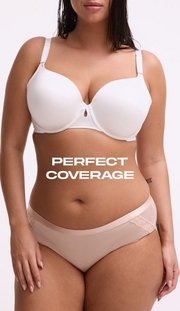
- Perfect coverage styles balance containment with a wearable everyday shape. Browse perfect coverage bras when you want an option between an open cup and maximum coverage.
- Underwire cups use a flexible wire beneath each breast to define and support the cup.
- Wire-free cups rely on cup construction, fabric, seaming and the band rather than an underwire.
Breast shape also matters. Fuller-on-top, fuller-on-bottom, wide-set, close-set and asymmetrical breasts may not respond to the same cup silhouette in the same way. If the size appears correct but the cups still gap or cut in, changing styles may solve the problem more effectively than repeatedly changing sizes.
Matching Bras to Clothing and Occasions
Start with the clothing you want to wear over your bra, then select the level of coverage, shaping and support that helps it fit and feel right. A smooth T-shirt bra is a reliable choice beneath close-fitting tees, knits, button-front shirts and dresses. When you want more containment at the neckline and sides, full coverage and perfect coverage styles can provide a more secure base without making every outfit feel overly structured.
Use the neckline as your next decision point:
- Choose a plunge bra for deep V-necks and other lower-cut fronts.
- Reach for a balconette bra beneath square, sweetheart and wider scoop necklines.
- Choose a strapless or multiway bra for off-the-shoulder, one-shoulder and sleeveless clothing when shoulder straps would interrupt the look.
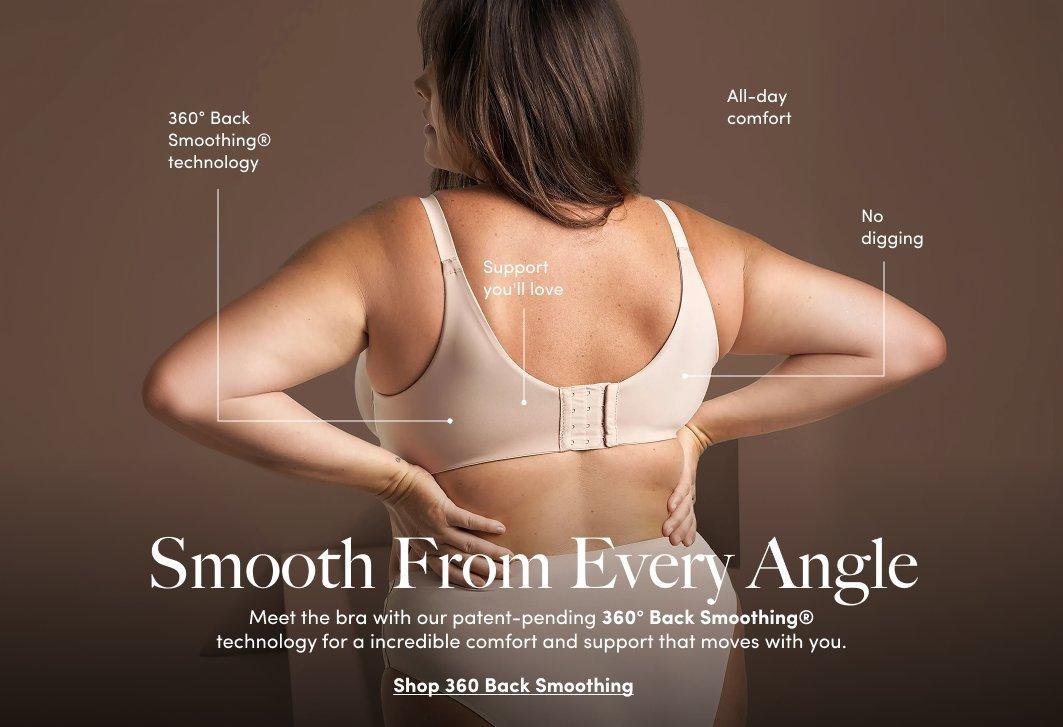
- Consider 360° Back Smoothing® styles when a smoother back profile matters beneath closer-fitting tops or dresses.
Your plans also shape the right choice. Wire-free bras offer flexible support for everyday routines, while front-close bras give shoppers an alternative closure placement when that feels more convenient. Bralettes and bandeaus work well when you prefer lighter structure, while sports bras are the better choice for exercise and activities with more movement. A bra should support the day you actually have planned, rather than asking one basic style to cover every situation.
Lining and fabric finish help refine the result. Unlined cups offer less foam and a more natural outline; lightly lined cups add modest shaping and coverage; push-up styles provide more lift when that is the effect you want. Smooth microfiber and seamless finishes can be useful beneath fitted clothing, while cotton, lace and mesh offer different textures and sensations against the body. Before an event, try the complete outfit on and sit, bend, reach and walk in it to confirm that the band stays level, the cups stay covered and the straps remain where you want them.
For a coordinated foundation, pair the bra with plus size panties in a rise, coverage level and finish that work with the same outfit.
Bras for Warm Weather, Cold Weather and Travel
Weather does not change the basic rules of bra fit, but it can affect which materials and constructions feel most comfortable. During hot or humid weather, some wearers prefer cotton, mesh, unlined cups or other lighter constructions. A smooth bra may also help reduce friction beneath lightweight tops, although comfort depends on fit and personal preference.
In cooler weather, lightly lined cups can add another layer beneath sweaters and dresses. Check that thick or closely fitted layers do not push the cups out of place or cause straps to shift.
For travel, rotate between at least two bras when possible so the elastic has time to recover between wears. Pack molded bras without folding one cup into the other. A bralette can be a comfortable option for long periods of sitting, while a supportive everyday style may be preferable for walking-heavy plans.
What Makes Torrid Bras Different
We do not treat a basic bra as a one-size-fits-all answer. We build our assortment around plus size and fuller-bust needs, then give you meaningful choices in support, cup coverage, neckline compatibility, closure placement, back profile, lining and fabric. That approach recognizes that two bras in the same size can serve completely different purposes—and that a bra should work with your body and your wardrobe, not require you to adapt to it.
Our bra solutions are designed around specific needs:
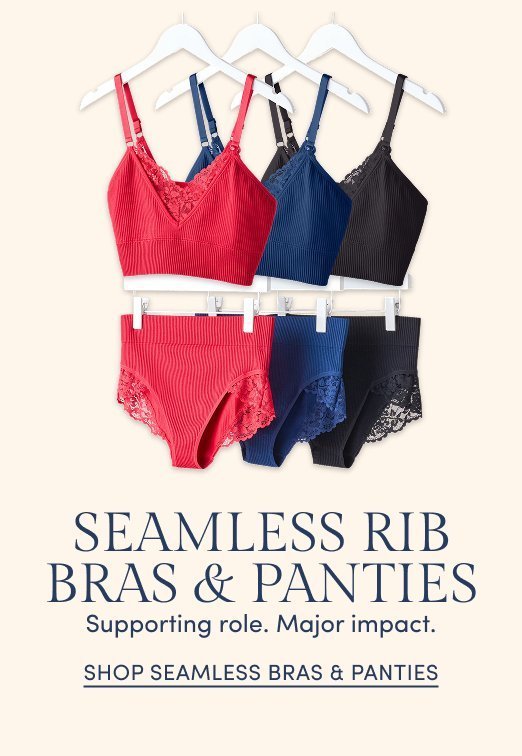
- Flexible everyday support: Wire-free bras, bralettes and bandeaus offer lower-structure options for shoppers who prefer support without an underwire.
- Smoothness and coverage: T-shirt bras, full coverage bras and perfect coverage bras help shoppers choose between a smooth finish, more containment or an everyday middle ground.
- Neckline-specific dressing: Plunge, balconette, strapless and multiway styles give you options for deep V-necks, square and sweetheart necklines, or shoulder-baring clothing.
- Changing routines and movement: Front-close styles offer a different fastening experience, while sports bras are made for active routines that call for more movement management.
- Back and finish preferences: 360° Back Smoothing® options, along with straight, ballet, racerback and scoop-back designs, let you consider how a bra sits beneath clothing as well as how it feels.
We also separate shape from padding and fabric, so you are not limited to one standard version of a bra. Depending on the style, you can compare unlined, lightly lined and push-up cups alongside smooth microfiber, cotton, lace, mesh and seamless finishes. Collections including Cloud, Ava Lace, Lila, Butter Soft Micro, Simply Cotton, Invisible Support, Shine and Shadow Lace add further ways to choose the balance of comfort, coverage, texture and visual detail that feels right for you.
Some styles incorporate features such as adjustable straps, wider side bands and smoothing back construction, while our full assortment lets shoppers move between underwire and wire-free support instead of treating either construction as universally better. We also design bras as part of a broader plus size wardrobe, making it easier to consider how they work beneath tops, dresses, activewear and plus size shapewear rather than evaluating support in isolation.
Building a Practical Bra Rotation
A functional bra wardrobe does not need to be large. Start with the styles you will wear most often:
- One or two smooth everyday bras in colors that work beneath your frequently worn clothing
- A wireless bra or bralette for lower-structure days
- A neckline-specific option, such as plunge, balconette or strapless
- A sports bra if exercise or active movement is part of your routine
- A decorative color, print or lace style that reflects your personal taste
Rotate bras rather than wearing the same one every day. Elastic needs time to recover, and rotating styles can also reduce repeated pressure on the same areas of the shoulders and torso.
Washing and Storing Bras
Always follow the care directions on the individual garment. When hand washing is recommended, use cool water and a detergent intended for delicate fabrics. If the label permits machine washing, fasten the hooks, place the bra in a lingerie bag and choose a cool, gentle cycle.
Lay bras flat to dry instead of placing them in a dryer, since heat can weaken elastic and affect cup shape. Store molded cups in their natural form rather than folding one cup inside the other. Replace a bra when the band remains loose on the tightest hook, the elastic no longer recovers, the cups have lost their shape or wires become bent or exposed.
Frequently Asked Questions About Plus Size Bras
How do I know if my bra band is too big?
The band may be too large if it rides upward, shifts when you move or only feels secure on the tightest hook when the bra is new. Try a smaller band while reassessing the cup size.
How do I know if my bra cups are too small?
Common signs include breast tissue spilling over the neckline or sides, the center front pulling away from the chest, or an underwire sitting on breast tissue.
Why do my bra cups gape?
Gaping can mean the cup is too large, but it can also indicate a shape mismatch. A cup with less height or a different silhouette may fit better without requiring a smaller size.
Why do my bra straps keep falling down?
First adjust the straps and check whether the band is level. If the band rides up, it can loosen the straps. Narrow or sloped shoulders may also work better with convertible, racerback or differently positioned straps.
Should I choose an underwire or wireless bra?
Choose according to comfort and the shape you want. Underwire can provide defined separation and structure, while wireless bras use fabric, cup shaping and band construction for support without a wire.
What type of bra is best under a T-shirt?
A smooth T-shirt bra with minimal cup seams is usually the least visible beneath fitted tees. The correct cup size is also important because gaping or overflow can show through clothing.
What bra works with a low-cut dress?
A plunge bra is often suitable for a deep V-neck. For an open square or sweetheart neckline, a balconette may align better with the garment.
How should a strapless bra fit?
The band should feel especially secure and stay level because there are no shoulder straps to share the work. Test the bra with the intended outfit and move around before wearing it to an event.
Are bralettes supportive enough for a fuller bust?
Support varies by design and personal preference. Look at the band, straps, cup construction and coverage rather than assuming every bralette provides the same level of support.
Do I wear the same size in every bra style?
Not always. Materials, cup depth, coverage and construction can affect fit, even within the same labeled size. Use your measurements as a starting point and review the details for each style.
What should I do if one breast is larger than the other?
Fit the cup to the larger breast. Adjusting one strap or using a removable insert on the smaller side can help balance the fit if desired.
How often should I measure my bra size?
Remeasure when your bras begin fitting differently or after body changes such as weight fluctuation, pregnancy or hormonal changes. Regular fit checks can catch changes before discomfort develops.
How often should bras be washed?
Frequency depends on activity, weather and perspiration. Rotating bras and washing them gently before oils and sweat build up can help protect the fabric and elastic.
How long does a bra last?
There is no universal timeline. Wear frequency, rotation, washing and construction all affect longevity. A stretched band, damaged cups, exposed wires or support that no longer feels secure are better replacement indicators than age alone.
How many bras do I need?
The answer depends on your wardrobe and routine. A practical starting rotation includes smooth everyday bras, a comfortable wireless option, an activity-specific sports bra and any neckline-specific style your clothing requires.