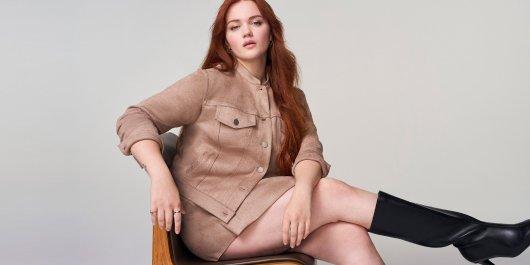
An A-line dress makes getting dressed feel straightforward: the upper portion follows the body more closely, then the skirt opens gradually toward the hem. That shape creates room to move while leaving plenty of ways to change the mood of the outfit through length, fabric, sleeves, shoes, and layers. Our plus size A-line and trapeze dresses bring that easy, flared silhouette to everyday plans, celebrations, warm-weather dressing, and more polished occasions.
What Is an A-Line Dress?
An A-line dress is named for the outline it creates: narrower through the shoulders, bust, or waist, then wider through the skirt to resemble the letter “A.” The amount of definition varies. Some styles have a visibly shaped waist, while others begin to release below the bust or through a relaxed bodice. A-line dresses may be sleeveless, short-sleeve, or long-sleeve; they can also come in mini, midi, tea-length, and maxi hems.
A trapeze dress is closely related but typically has a looser, more vertical shape that widens from higher on the body. It often creates a swingier, less waist-defined look than a classic A-line. Both silhouettes offer a skirt with space through the hip and thigh area, but the bodice, waist placement, neckline, and fabric determine how each dress feels when worn.
Browse our full selection of plus size dresses when you want to compare silhouettes, lengths, and occasions in one place.
Start With the Dress Shape You Want to Wear
The best A-line dress is not about following a rule for a body type. It is about choosing the balance of shape, coverage, and movement that feels right for your day.
- Choose a more defined waist when you want the transition from bodice to skirt to be noticeable. A fitted, smocked, shirred, seamed, or belted waist can create that effect.
- Choose a relaxed waist or trapeze shape when you want an easier outline through the midsection and a skirt that moves away from the body.
- Choose a neckline based on support and coverage preferences. Sweetheart, square, V-neck, scoop, mock-neck, and surplice shapes each frame the upper body differently.
- Choose sleeve details with the setting in mind. Sleeveless and flutter sleeves suit warm days; puff, long, or bell sleeves can add coverage or make an outfit feel more event-ready.
- Choose your hem based on how you want to move. A mini dress can feel playful and open, a midi dress offers versatile lower-leg coverage, and a maxi dress creates a longer, flowing line.
A-line dresses can be especially useful when you prefer the look of a dress that follows the bust and upper torso without fitting closely through the full hip and thigh. That does not make the silhouette “for” one figure and not another—it simply describes where the dress releases.
Build an Outfit From the Dress Outward
Because an A-line dress already provides a complete base, the supporting pieces can be selected for the setting rather than to change the dress itself.
For an everyday outfit, pair a simple A-line dress with clean sneakers, flat sandals, or ankle boots, then add a crossbody bag. A denim layer can make a midi or mini dress feel more casual; browse plus size denim jackets for an easy option when the temperature changes.
For work or daytime plans, focus on a hem and fabric that suit your environment. A midi A-line dress with a defined waist can be paired with flats, loafers, or low heels, while a cardigan or structured layer adds coverage without hiding the silhouette. Our plus size cardigans are an easy layer over sleeveless and short-sleeve dresses.
For dinners, parties, concerts, or date nights, let the details set the tone. Lace, chiffon, velvet, a dramatic sleeve, a deeper neckline, or a more expressive print can make the same A-line shape feel more elevated. Finish with jewelry and a pair of heels, or choose boots for a more directional look. For more after-dark options, explore plus size going-out dresses.
Fit Checks for Plus Size A-Line Dresses
A flared skirt may feel forgiving through the lower body, but the bodice does most of the fit work. Before deciding on a size, compare your current bust, waist, and low-hip measurements with our Torrid size guide. Our apparel sizing runs from 00 to 6, corresponding to traditional women’s sizes 10 to 30, although availability and fit can vary by style.
Use this quick fitting sequence after putting on an A-line or trapeze dress:
- Check the shoulders and armholes first. Shoulder seams should sit where intended, and armholes should not pinch or expose more than you want when you lift your arms.
- Check the bust and neckline. The bodice should lie comfortably without pulling, gaping, or shifting as you bend, sit, and move.
- Find the intended waist placement. An empire, natural, smocked, or drop waist will sit in a different place by design, so judge it by the dress’s construction rather than forcing it to land at one spot.
- Walk and sit in the skirt. The skirt should move comfortably and provide the coverage you expect at the hem.
- Consider the fabric’s stretch and structure. A stretchy knit and a non-stretch woven dress may call for different fit decisions, even in the same silhouette.
If you want additional smoothing or a more streamlined underlayer beneath a dress, choose based on your own comfort and the dress fabric. Explore plus size shapewear for pieces intended to layer under clothing, or start with a supportive plus size bra that works with the neckline and straps.
How A-Line Dresses Work Across Occasions
A-line is a silhouette, not a dress code. The construction and styling determine whether a dress reads relaxed, professional, romantic, festive, or formal.
A casual cotton-feel knit, a simple woven dress, or an easy tiered style can work for errands, brunch, vacation, and weekend plans. See our casual dresses when you are building a rotation of easy options.
For showers, graduations, dinners, and daytime celebrations, a midi or tea-length A-line dress can offer a polished middle ground. Add refined flats or heels and a light layer if needed.
For weddings and special events, start with the invitation’s dress code, venue, time of day, and forecast. A more elevated fabric, a longer length, or details such as lace, chiffon, smocking, ruffles, or a fuller skirt can change the formality of an A-line dress. Our wedding guest dresses can help narrow the search for those occasions.
A black A-line dress can also be a useful repeat-wear option: style it simply for dinner or add statement shoes, jewelry, and a dressier layer for an event. Find more options in our little black dresses collection.
Weather, Fabric, and Layering Choices
Fabric weight, lining, sleeve length, and hemline matter more than the A-line silhouette alone when planning for the season. Our current A-line selection includes a range of materials and details, so review each product description for its specific fabric content, stretch level, lining, and care instructions.
| Season or condition | Helpful A-line dress considerations | Styling approach |
|---|
| Warm, sunny days | Look for lighter-feeling fabrics, sleeveless or short-sleeve designs, and the coverage level you prefer. | Keep layers minimal and pair with sandals or sneakers. |
| Changeable spring weather | Choose a dress that can accommodate a cardigan, denim jacket, or lightweight blazer. | A midi length and closed-toe shoe can help transition through the day. |
| Cool fall days | Consider longer sleeves, midi or maxi hems, and fabrics with more visual texture. | Add boots and a jacket without losing the dress’s flared shape. |
| Cold weather or indoor events | Prioritize layers, longer lengths, and the warmth level of the specific fabric. | Add tights, boots, and an outer layer; remove layers indoors as needed. |
| Windy outdoor events | Consider skirt volume, length, and the venue’s walking surfaces. | Choose footwear that fits the terrain and bring a layer that stays secure. |
What Makes Torrid A-Line Dresses Different
We make dresses with plus size fit in mind and offer a broad range of sizes, silhouettes, necklines, sleeve lengths, and lengths rather than treating one dress shape as a one-fit solution. Across our dress assortment, details such as smocking, elasticized areas, adjustable elements, stretch fabrics, strategic seaming, and varied waist placements can affect comfort and flexibility depending on the individual style.
Our A-line and trapeze assortment also spans distinct fabric and design directions instead of presenting one uniform look. Current options include dresses with tiered skirts, smocked bodices, surplice and sweetheart necklines, chiffon, lace, velour, and woven fabrics. Some styles offer a breezy, relaxed feel, while others use texture or dressier construction for an occasion-focused look. Always use the individual product page to confirm fabric composition, lining, stretch, pockets, closure details, and care instructions before choosing.
Related Dress Shapes to Consider
An A-line dress can be the right starting point, but another silhouette may better match the look you have in mind.
- Choose a skater dress for a similarly flared skirt with a more playful, waist-focused effect.
- Consider a wrap dress when you prefer an overlapping front and a waist-defining shape.
- Explore shirt dresses for a collared or button-front-inspired look.
- Try fit-and-flare dresses when you want a bodice-and-skirt contrast with a distinctly defined waist.
- Visit our dresses by occasion page when the event—not the silhouette—is your first filter.
Frequently Asked Questions About Plus Size A-Line Dresses
What does an A-line dress look like?
An A-line dress is narrower at the top and gradually widens through the skirt. The amount of waist definition varies by style.
What is the difference between an A-line and trapeze dress?
An A-line dress usually has more shape through the bodice or waist before flaring. A trapeze dress is often looser and begins widening higher on the body.
Are A-line dresses suitable for formal occasions?
They can be. Formality depends on fabric, length, color, details, accessories, and the event dress code.
How should a plus size A-line dress fit at the bust?
The bust should sit comfortably without pulling, gaping, or flattening. Check the neckline and armholes while sitting and moving.
Do A-line dresses fit loosely at the waist?
Some do, while others have a defined waist, smocking, elastic, seams, or a belt. Review the product description and photos for the specific construction.
What length A-line dress should I choose?
Choose the length based on your preferred coverage, the occasion, weather, and footwear. Mini, midi, tea-length, and maxi A-line dresses can all work across different settings.
Can I wear an A-line dress to a wedding?
Yes, if the dress’s fabric, length, and styling suit the invitation’s dress code, venue, and season.
What shoes go with an A-line dress?
Sneakers, sandals, flats, boots, and heels can all work. Consider the hem length, occasion, weather, and how much walking you will do.
Can I layer a jacket over an A-line dress?
Yes. Cardigans, denim jackets, blazers, and other layers can work well. Choose a layer length that feels balanced with the dress’s skirt volume.
Are A-line dresses good for warm weather?
Many can be, especially styles with lighter-feeling fabrics and sleeveless or short sleeves. Check the fabric, lining, and coverage details of the individual dress.
How do I choose the right size in an A-line dress?
Compare your measurements with our size guide, then prioritize fit through the shoulders, bust, and waist placement. Fabric stretch and bodice construction can affect your preferred size.
Do I need shapewear with an A-line dress?
No. Shapewear is a personal choice, not a requirement. Choose it only if it adds comfort or creates the layering effect you want.