Choose a Sweater Based on Its Role in Your Wardrobe
Start with what the sweater needs to do rather than choosing by color alone.
- For a complete outfit: Choose a pullover with a neckline, texture or silhouette that can stand on its own. Crew necks provide classic coverage, while V-necks create more open space around the face and make room for necklaces or collared layers.
- For an adjustable layer: A cardigan can be worn open, buttoned or removed as temperatures change. It can also add coverage without hiding the top underneath, making it useful for work, travel and transitional weather.
- For targeted coverage: Longer sweaters and tunic silhouettes extend farther over the waist and hips, while cropped styles create a shorter proportion that works well with high-rise bottoms. A shrug or bolero adds coverage around the shoulders and arms without creating a full second layer through the torso.
This function-first approach helps distinguish between a sweater that will be worn occasionally and one that can support several different outfits.
How Torrid Designs Plus Size Sweaters
Our sweaters are designed specifically for plus size proportions rather than simply scaling up a smaller base pattern. Fit through the bust, shoulders, upper arms and torso matters because knit fabric can reveal pulling, bunching or excess volume differently from a woven fabric. We consider how the sweater follows curves, where hems fall and whether there is enough room to sit, reach and layer comfortably.
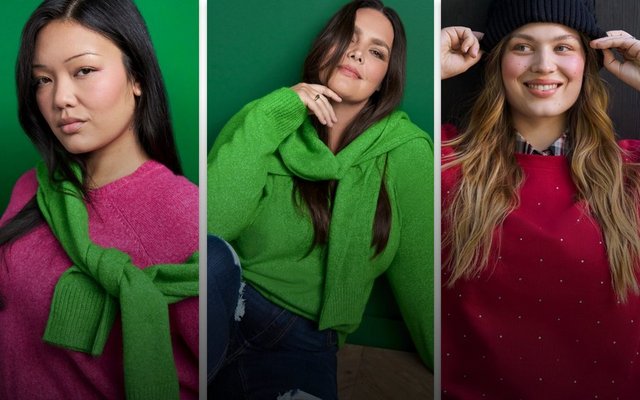
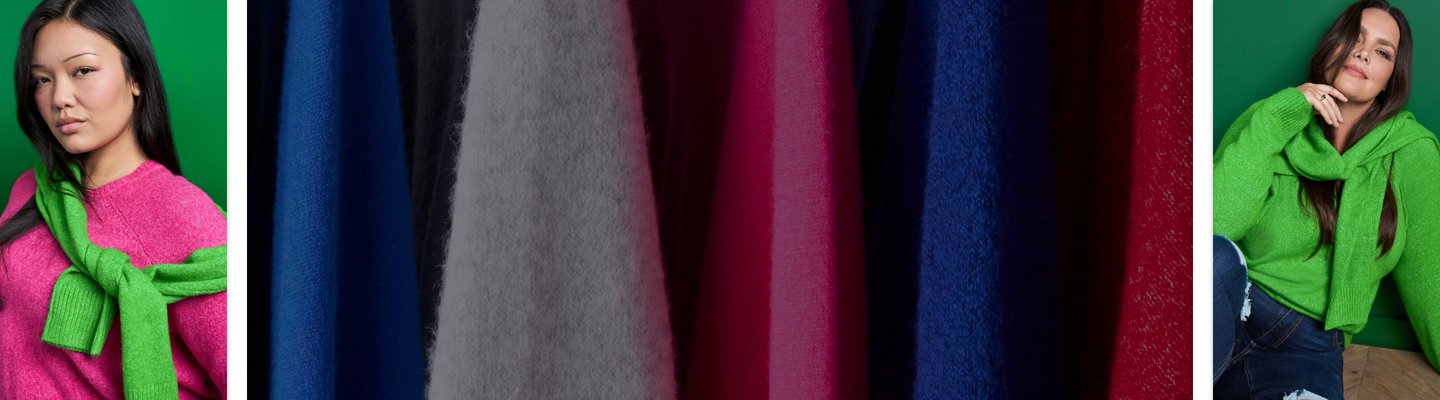
The current assortment includes constructions and fabric families such as Everyday Soft, Super Soft, ribbed knits, hacci and vegan cashmere, along with drop-shoulder, tunic, open-front, crew-neck and V-neck silhouettes. These choices provide different combinations of softness, drape, texture, coverage and structure. A draped cardigan can create fluid movement, for example, while a ribbed sweater generally has more visible texture and can follow the body more closely.
Our apparel sizing runs from Torrid sizes 000 through 6, corresponding to conventional sizes 8 through 30. Because sweater silhouettes and knit structures can behave differently, the individual product description and measurements should be reviewed alongside our Torrid size guide.
Understand Knit Weight, Texture and Construction
A sweater’s warmth and appearance depend on more than sleeve length. Consider these construction details before choosing:
- Fine or lightweight knits are easier to wear indoors, tuck into bottoms or layer under jackets.
- Medium-weight knits can function as a primary top in cool weather and usually provide more warmth without requiring a heavy outer layer.
- Chunkier or more substantial knits create stronger texture and insulation but may need additional room beneath a coat.
- Ribbed knits add vertical texture and often sit closer to the body because of their flexible construction.
- Hacci knits typically have a soft, relaxed appearance suited to comfortable layering.
- Open-stitch or loosely knit details allow more airflow and may require a camisole or tank underneath.
- Draped fronts add movement and adjustable coverage, while button-front designs offer more control over how open or closed a layer feels.
Always consult the product care label and fabric information for the specific sweater. A product name can describe the feel or appearance of a fabric family without identifying every fiber in the garment.
Check the Fit While Sitting, Reaching and Layering
A sweater should feel comfortable in the positions used throughout the day—not only while standing in front of a mirror. Move the arms forward, sit down and check the hem after adding any base layer that will usually be worn underneath.
| Area to check | Signs of a comfortable fit | Signs another size or silhouette may work better |
|---|
| Shoulders | Seams or shoulder shaping sit naturally without restricting arm movement | The neckline shifts backward, the fabric pulls across the upper back or the shoulders collapse excessively |
| Bust | The knit lies smoothly without strained stitches or distorted patterns | Horizontal pulling, gaping between buttons or a hem that lifts noticeably in front |
| Upper arms | Sleeves allow bending and reaching without pinching | Tightness at the bicep or fabric being pulled upward from the torso |
| Torso and hips | The sweater skims or drapes as intended and returns to position after sitting | Bunching at the waist, clinging at the hip or repeated riding up |
| Sleeve and body length | Cuffs and hem land where expected for the design | Sleeves interfere with the hands or the hem does not provide the desired coverage |
Sizing up can create more ease, but it may also change the shoulder position, neckline and sleeve length. If only one area feels uncomfortable, a different silhouette may solve the problem more effectively than a larger size. A drop-shoulder sweater, open-front cardigan or tunic cut may provide room in different places.
Compare the Main Sweater Silhouettes
The most useful sweater category depends on how much coverage, structure and layering flexibility is needed.
- Plus size cardigans work as removable layers over tees, camisoles, dresses and work tops. Button-front, open-front and duster-length designs each create a different amount of coverage.
- Plus size pullover sweaters function as complete tops and are easy to pair with jeans, trousers or skirts.
- Plus size shrugs and boleros concentrate coverage around the shoulders and arms, allowing the garment underneath to remain visible.
- Plus size tunic tops provide a longer silhouette that can be helpful when additional torso or hip coverage is preferred.
- Cropped sweaters create a shorter visual proportion and pair naturally with high-rise bottoms without requiring a full tuck.
Neckline also changes how a sweater works within an outfit. Crew necks offer straightforward coverage, V-necks visually open the neckline, and collared sweaters can provide more structure. When layering over plus size shirts and blouses, make sure the sweater neckline and armholes leave enough room for the collar, sleeves and any cuff details beneath them.
Build Outfits Around the Sweater
Sweaters can move between casual, professional and social settings by changing the pieces around them.
- For an everyday casual outfit: Wear a relaxed pullover with plus size jeans and boots or sneakers. A partial front tuck can define the waist while leaving the rest of the sweater relaxed.
- For a comfortable off-duty outfit: Combine a tunic-length sweater with plus size leggings. Check the sweater’s actual length if front and back coverage are important.
- For work: Layer a cardigan over a blouse and add plus size pants. Coordinating the sweater and trousers within a similar color family can create a more continuous line.
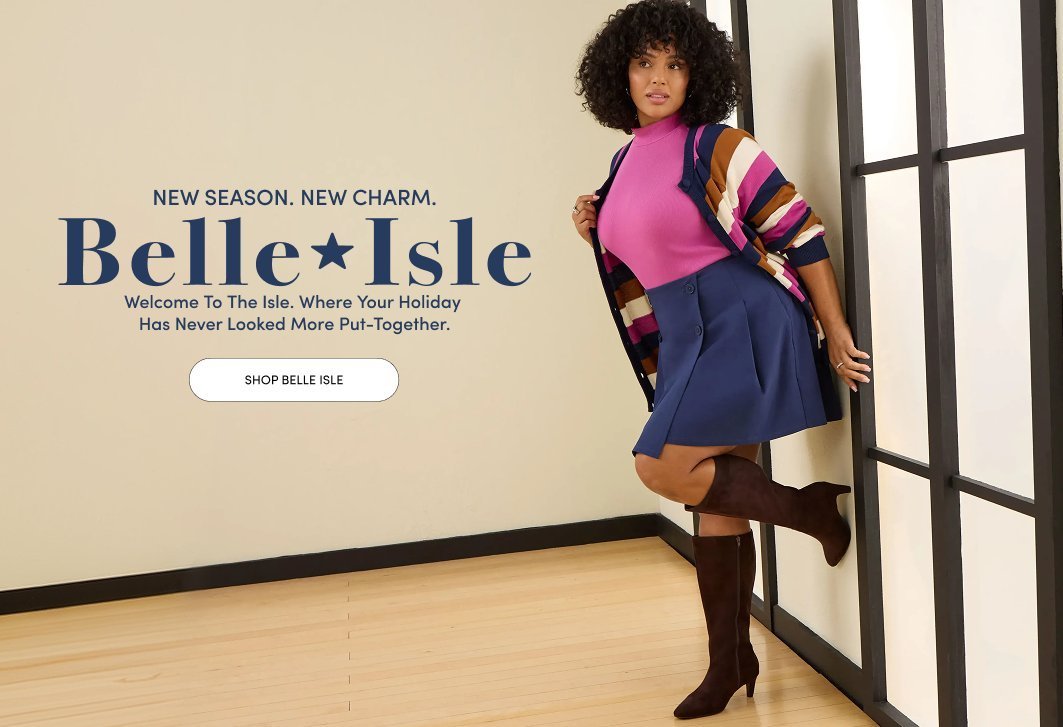
- For a skirt outfit: Pair a fitted or shorter sweater with plus size skirts to balance volume. A bulkier sweater can also work when lightly tucked or worn with a more streamlined skirt.
- For a dressier occasion: Add a cropped cardigan or shrug over a dress when shoulder and arm coverage is wanted without concealing the full silhouette.
- For professional outfit planning: Explore our plus size workwear for trousers, blazers and layering tops that can coordinate with polished knitwear.
Proportion is adjustable rather than rule-bound. A long cardigan can create a vertical line, while a cropped sweater can emphasize the waist. The preferred result depends on the outfit, the sweater’s volume and where its hem meets the bottom garment.
Adjust Sweater Layers for the Weather
Sweaters are most closely associated with fall and winter, but knit weight and layering method determine when they are practical.
During early fall or cool spring weather, a lightweight pullover or open cardigan may be enough over a camisole or short-sleeve top. Three-quarter sleeves, open fronts and lighter knits can also work in air-conditioned indoor spaces or during cool evenings.
As temperatures drop, build warmth in stages:
- Begin with a smooth base layer that does not bunch beneath the sweater.
- Add a pullover or cardigan with enough room through the shoulders and arms.
- Finish with plus size outerwear that accommodates the sweater’s thickness.
- Complete a cold-weather outfit with wide-width boots or wide-calf boots when additional coverage is needed.
A very thick sweater under a closely fitted coat can restrict movement and compress the knit. When a heavier sweater is planned, test the two layers together before removing tags.
Care for Sweaters Without Stretching the Knit
The garment’s care label should always take priority because fiber blends and embellishments may require different treatment. These general habits can help preserve many sweaters:
- Wash only as directed and use a gentle method when the label permits.
- Close buttons or fasteners before laundering to reduce snagging.
- Avoid hanging a wet sweater, since the added water weight can stretch the shoulders and body.
- Reshape the garment while damp and dry it as directed.
- Fold sweaters for storage instead of hanging heavier knits for long periods.
- Remove pills carefully with a tool intended for fabric rather than pulling them by hand.
- Store knits clean and completely dry, with enough room that textured surfaces are not crushed.