Frequently Asked Questions About Plus Size Workwear
What is considered business casual clothing for women?
Business casual commonly includes trousers, skirts, dresses, blouses, sweaters, cardigans, and relaxed blazers. Some workplaces also permit clean, dark-wash jeans. Because expectations vary, use your employer’s dress code and the level of client interaction as your guide.
What should I wear to a job interview?
A blazer with trousers, a polished dress, or a blouse with a skirt can all be appropriate interview choices. Select an outfit that fits comfortably, suits the formality of the employer, and allows you to focus on the conversation.
How should a plus size blazer fit?
The shoulder seams should sit near your natural shoulders, the sleeves should allow easy movement, and the front should lie smoothly. If the blazer is intended to close, you should be able to fasten it without significant pulling across the bust or waist.
How should work pants fit when sitting?
The waistband should remain secure without digging in, and the rise should feel comfortable rather than pulling or shifting. Sit, bend, and walk while trying them on to check the fit through the waist, hips, thighs, and seat.
Which work-pant silhouette should I choose?
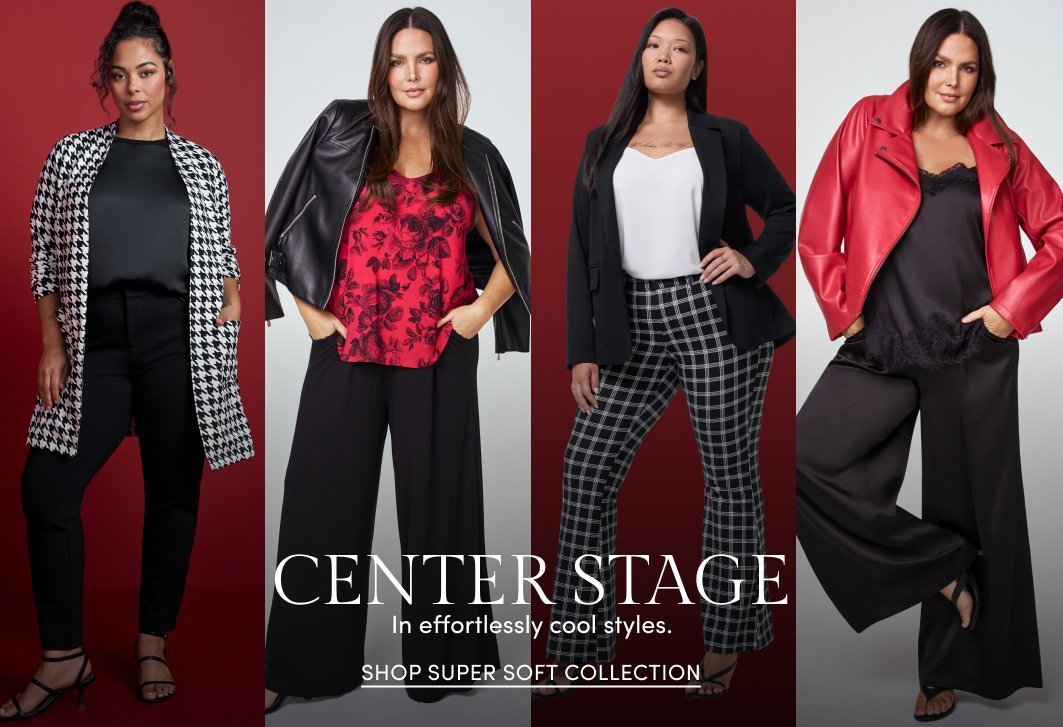
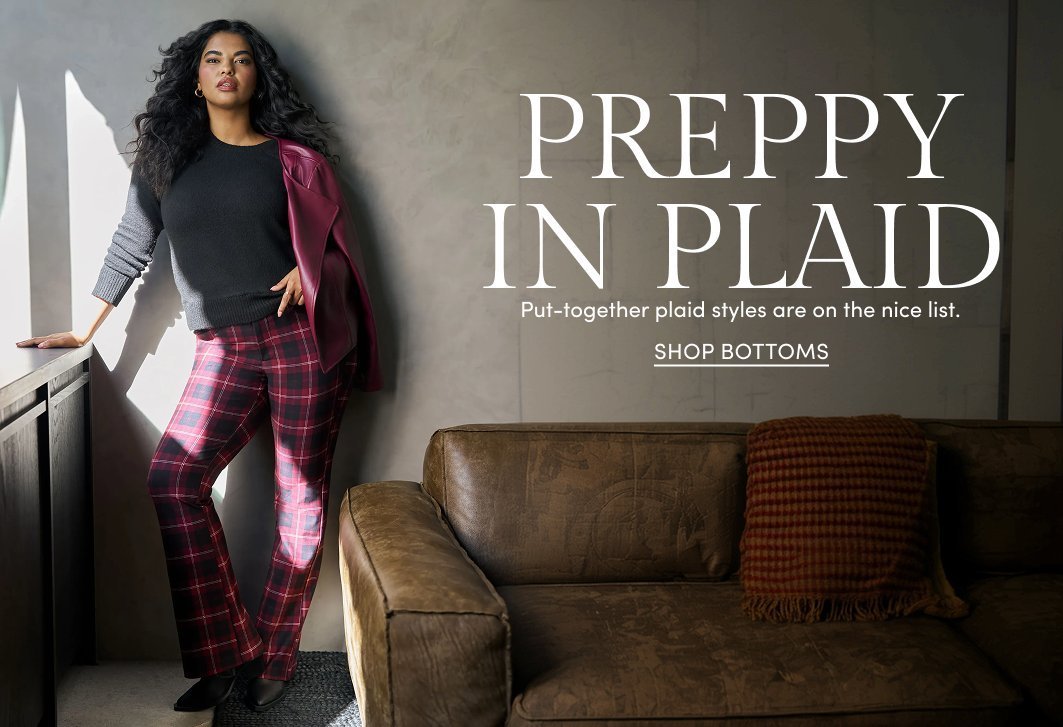
Straight-leg pants offer a classic profile, wide-leg trousers create movement, bootcut styles widen below the knee, and slim pants create a closer line through the leg. The best choice depends on your preferred fit, workplace, shoes, and outfit proportions.
How do I find my Torrid workwear size?
Measure your bust, waist, and low hip, then compare those measurements with Torrid’s size chart. Also check the individual garment’s fit description, fabric content, and stretch because two silhouettes in the same size may fit differently.
What should I do if I am between sizes?
Prioritize the part of the garment that is hardest to alter or most important to its fit. That may be the shoulders and bust in a blazer, the button placket in a shirt, or the waist and hips in pants. Fabric stretch and the intended silhouette should also influence the decision.
Can I wear a dress in a business casual office?
Yes, many dresses work well in business casual settings. Consider the neckline, length, fabric, fit, and overall styling, then add a cardigan or blazer if you want more coverage or structure.
Can jeans be appropriate for work?
Jeans may be appropriate when the workplace permits denim. Dark, clean washes paired with a blouse, sweater, or blazer typically create a more polished result than heavily distressed or casual styles.
What fabrics are comfortable for a long workday?
Comfort depends on the garment, but many shoppers look for fabrics with some flexibility, breathable-feeling construction, or a soft drape. Ponte, stretch woven fabrics, challis, georgette, crepe, and sweater knits can each serve different professional needs.
How can I dress professionally in hot weather?
Choose lighter layers and silhouettes with comfortable movement. A short-sleeve blouse, flowing trouser, skirt, or dress can create a polished foundation, while a lightweight cardigan or blazer can be added indoors.
How should I layer workwear for a cold office?
Keep a cardigan, lightweight blazer, or soft jacket nearby. Choose a layer that fits comfortably over your blouse or dress without restricting the shoulders and arms.
How many pieces do I need for a basic work wardrobe?
There is no required number, but a practical starting point might include two or three bottoms, four or five tops, one dress, two layers, and two pairs of shoes. Choosing pieces that coordinate can create many more outfits than the item count suggests.
Do my blazer and pants need to match?
No. A matching suit creates a formal, coordinated look, but separates can be equally professional. Pairing a neutral blazer with contrasting trousers or a skirt can make both pieces easier to wear in different outfits.
How can I make a work outfit feel more stylish?
Try a colorful blouse, modern trouser shape, printed dress, textured layer, statement accessory, or coordinated color palette. One distinctive element is often enough to make a professional outfit feel personal.
How can I take a work outfit from day to night?
Begin with a versatile base such as trousers and a blouse or a simple dress. After work, remove the blazer, switch shoes, add jewelry, or change the styling of your top to create a less formal look.
How should I care for workwear?
Always follow the care label for the individual garment. Prompt stain treatment, appropriate washing, careful drying, and proper hanging or folding can help preserve the fabric, shape, and finish.