

-
Extra 15% Off*Stacks w/ Torrid Cash Rewards Offersor 35% Off (Use Code CASHIN)
-
-
Extra 15% Off*Stacks w/ Torrid Cash Rewards Offersor 35% Off (Use Code CASHIN)
-
$65.9035% Off With Code CASHINTorrid Rewards Exclusive:Stack An Extra $15USD Off $150+USDwith Torrid Cash in Cart*
-
-
-
Today Only! Extra 15% Off*Stacks w/ Torrid Cash Rewards Offersor 35% Off (Use Code CASHIN)
-
-
Extra 15% Off*Stacks w/ Torrid Cash Rewards Offersor 35% Off (Use Code CASHIN)
-
Extra 15% Off*Stacks w/ Torrid Cash Rewards Offersor 35% Off (Use Code CASHIN)
-
-
Extra 15% Off*Stacks w/ Torrid Cash Rewards Offersor 35% Off (Use Code CASHIN)
-
-
$49.9035% Off With Code CASHINTorrid Rewards Exclusive:Stack An Extra $15USD Off $150+USDwith Torrid Cash in Cart*
-
-
$65.9035% Off With Code CASHINTorrid Rewards Exclusive:Stack An Extra $15USD Off $150+USDwith Torrid Cash in Cart*
-
-
Today Only! Extra 15% Off*Stacks w/ Torrid Cash Rewards Offersor 35% Off (Use Code CASHIN)
-
-
Extra 15% Off*Stacks w/ Torrid Cash Rewards Offersor 35% Off (Use Code CASHIN)
-
-
Today Only! Extra 15% Off*Stacks w/ Torrid Cash Rewards Offersor 35% Off (Use Code CASHIN)
-
-
$75.9035% Off With Code CASHINTorrid Rewards Exclusive:Stack An Extra $15USD Off $150+USDwith Torrid Cash in Cart*
-
$95.9035% Off With Code CASHINTorrid Rewards Exclusive:Stack An Extra $15USD Off $150+USDwith Torrid Cash in Cart*
-
-
Today Only! Extra 15% Off*Stacks w/ Torrid Cash Rewards Offersor 35% Off (Use Code CASHIN)
-
Extra 15% Off*Stacks w/ Torrid Cash Rewards Offersor 35% Off (Use Code CASHIN)
-
-
Extra 15% Off*Stacks w/ Torrid Cash Rewards Offersor 35% Off (Use Code CASHIN)
-
-
Today Only! Extra 15% Off*Stacks w/ Torrid Cash Rewards Offersor 35% Off (Use Code CASHIN)
-
-
Extra 15% Off*Stacks w/ Torrid Cash Rewards Offersor 35% Off (Use Code CASHIN)
-
-
Today Only! Extra 15% Off*Stacks w/ Torrid Cash Rewards Offersor 35% Off (Use Code CASHIN)
-
$69.9035% Off With Code CASHINTorrid Rewards Exclusive:Stack An Extra $15USD Off $150+USDwith Torrid Cash in Cart*
-
-
$89.9035% Off With Code CASHINTorrid Rewards Exclusive:Stack An Extra $15USD Off $150+USDwith Torrid Cash in Cart*
-
-
Today Only! Extra 15% Off*Stacks w/ Torrid Cash Rewards Offersor 35% Off (Use Code CASHIN)
-
-
Extra 15% Off*Stacks w/ Torrid Cash Rewards Offersor 35% Off (Use Code CASHIN)
-
-
Today Only! Extra 15% Off*Stacks w/ Torrid Cash Rewards Offersor 35% Off (Use Code CASHIN)
-
-
Extra 15% Off*Stacks w/ Torrid Cash Rewards Offersor 35% Off (Use Code CASHIN)
-
-
Today Only! Extra 15% Off*Stacks w/ Torrid Cash Rewards Offersor 35% Off (Use Code CASHIN)
-
-
$65.9035% Off With Code CASHINTorrid Rewards Exclusive:Stack An Extra $15USD Off $150+USDwith Torrid Cash in Cart*
-
Refine Your Results By:
work (any) wear
(446 items)
Sort & Filter
Brand 6 styles
Color 22 styles
Size 25 styles
Price 5 styles
to








Today’s Deals
Plus Size Workwear for Every Kind of Workday
The right workwear helps you feel polished, comfortable, and ready for whatever is on the calendar. Our plus size workwear brings together professional staples and fashion-forward separates that can move between interviews, office days, presentations, conferences, business travel, and after-work plans.
Whether your workplace calls for tailored business attire, relaxed business casual outfits, or a flexible mix of both, the goal is the same: clothing that fits your body, suits your dress code, and still feels like your personal style.
What Is Plus Size Workwear?
Plus size workwear includes clothing designed for professional settings, from polished business casual outfits to more formal office attire. The category typically includes trousers, blazers, skirts, dresses, blouses, sweaters, and other versatile pieces that can be combined to suit different workplaces and dress codes.
Our workwear is made for more than sitting behind a desk. These pieces can help you feel prepared for interviews, meetings, presentations, conferences, business travel, hybrid workdays, and after-hours plans—all while balancing professional style, comfortable movement, and a fit designed for plus size bodies.
Start With Your Workplace Dress Code
“Work appropriate” can mean something different in every workplace. Before building an outfit, consider how formal the setting is, whether you will be meeting with clients, how much you move during the day, and whether your schedule includes activities outside the office.
| Workplace or occasion | Outfit starting point | Finishing layer |
|---|---|---|
| Formal or corporate office | Tailored trousers with a blouse or a structured dress | Blazer |
| Business casual workplace | Wide-leg pants, a skirt, or dark-wash jeans with a polished top | Cardigan or relaxed blazer |
| Job interview | Coordinated separates or a work dress in a refined color or print | Blazer and understated accessories |
| Creative workplace | Statement blouse, printed dress, or modern trousers | Colorful or textured layer |
| Presentation or client meeting | Tailored pants or a structured dress | Polished jacket and simple jewelry |
| Hybrid or work-from-home day | Comfortable pull-on pants with a presentable blouse or knit top | Easy layer for video meetings |
| Business travel or conference | Mix-and-match separates that can create several outfits | Packable cardigan or jacket |
When you are unsure of the dress code, begin with a polished foundation and adjust from there. A blazer can make an outfit feel more formal, while a cardigan, fashion sneaker, or relaxed silhouette can soften it for a business casual environment.
Build a Work Wardrobe Around Versatile Separates
A useful professional wardrobe does not need to be large. Start with pieces that work together, then add color, prints, and trend-driven details as your closet grows.
- Choose two or three dependable bottoms in neutral or easy-to-coordinate colors.
- Add several tops that can be worn alone or under a jacket.
- Include one polished dress or one-piece outfit for quick mornings.
- Select at least one layer that works with both pants and dresses.
- Finish with comfortable shoes and a small group of accessories.
- Test several outfit combinations before deciding whether a piece fills a genuine wardrobe need.
Work Pants and Trousers
A strong pair of plus size pants can anchor much of a professional wardrobe. Straight-leg trousers create a classic line, wide-leg pants bring movement and modern proportion, bootcut styles balance easily with heels or boots, and slim or tapered pants create a streamlined look with longer tops and jackets.
For maximum versatility, consider how each pair works with the shoes and tops you already own. Check the rise, waistband, fabric stretch, pocket placement, and inseam rather than choosing by leg shape alone.
Blazers and Professional Layers
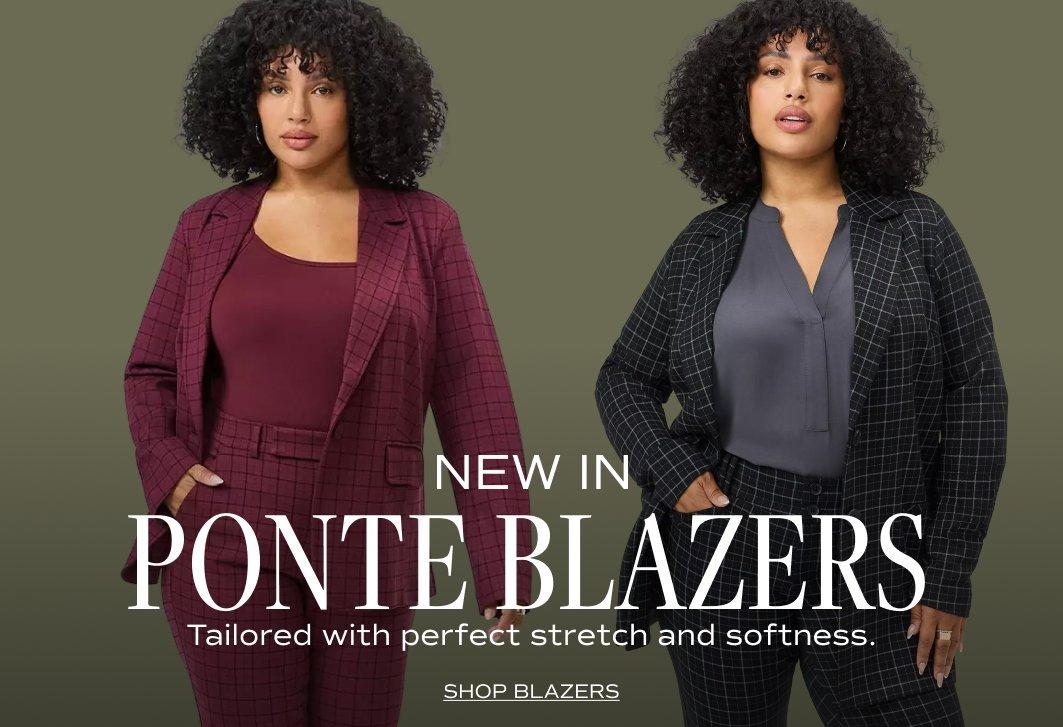
Plus size blazers can add structure to trousers, skirts, dresses, and even polished denim. A tailored silhouette is a natural choice for interviews and presentations, while an open-front, longline, or softer blazer can suit less formal offices.
Your jacket does not always need to match your bottoms. Coordinated separates can create a modern, intentional outfit without looking like a traditional suit.
Shirts, Blouses, and Polished Tops
Shirts and blouses offer plenty of room to personalize a work wardrobe. Button-up shirts feel crisp and classic, while draped or flowy blouses can add softness under structured layers. Solid colors are easy to repeat, but florals, stripes, geometric prints, lace details, and rich seasonal colors can bring personality to familiar trousers and skirts.
Before wearing a top to work, sit, reach, and bend in it. Check that button plackets lie smoothly, necklines stay where you want them, and the hem remains comfortable whether you wear it tucked, partially tucked, or untucked.
Dresses, Jumpsuits, and Skirts
Plus size dresses make getting ready simpler because one piece creates most of the outfit. Sheath-inspired, fit-and-flare, wrap-style, collared, and midi silhouettes can all work professionally depending on the garment and dress code. Add a blazer for a formal setting or a cardigan for a softer business casual look.
A jumpsuit can offer the same one-and-done convenience with the feel of coordinated separates. Meanwhile, plus size skirts pair easily with blouses, sweaters, and fitted or relaxed layers. Pencil skirts create a tailored profile, while A-line and flowing midi skirts allow more movement.
Sweaters and Cardigans
Plus size sweaters and cardigans are useful for changing temperatures, chilly meeting rooms, and transitional weather. Fine-gauge sweaters layer neatly under blazers, while cardigans can replace a jacket in relaxed workplaces. Keep a neutral layer at your desk or in your work bag if the indoor temperature is unpredictable.
Finding Your Best Workwear Fit
Professional clothing should look intentional without restricting normal movement. A good fit allows you to sit, walk, reach, and commute comfortably while keeping waistbands, closures, and shoulder seams in place.
What to Check in the Fitting Room
- Blazers: The shoulder seams should sit close to your natural shoulders, and the jacket should allow comfortable arm movement. If it is designed to close, the front should button without pulling.
- Pants: The waistband should remain comfortable while sitting, and the fabric should fall smoothly without persistent pulling at the hips, rise, or pockets.
- Blouses: Check the bust and upper arms for strain. Button-front styles should lie flat without gaps along the placket.
- Dresses: Make sure the waist placement, neckline, armholes, and hem remain comfortable as you move.
- Skirts: Sit down to check the waistband and confirm that the hem and back slit provide the coverage and movement you prefer.
- Sleeves and hems: Consider where they fall with your usual watch, bracelets, shoes, and office layers.
Use our size and fit guide to compare your bust, waist, and low-hip measurements with Torrid sizing. Because silhouettes and fabrics behave differently, also review the fit description, material details, and customer feedback on the individual product page.
Choosing Between Sizes
If you fall between sizes, focus on the area that is most important to the garment’s structure. For a fitted blazer or button-up blouse, that may be the shoulders, bust, or upper arms. For trousers or a pencil skirt, it may be the waist, rise, or hips. Stretch fabrics can offer flexibility, while structured woven materials may have less give.
Minor tailoring can also make a good piece feel more personal. Hemming pants, adjusting a sleeve, or refining a waistband may be worthwhile for a workwear staple you expect to wear often.
Fabrics That Fit the Workday
Fabric influences how an outfit moves, layers, and holds its shape. Always check the product description and care label for the exact material and instructions, since garments within the same category can be constructed differently.
- Ponte: A substantial knit that often combines a polished appearance with flexibility, making it useful for pants, skirts, dresses, and blazers.
- Crepe: Commonly chosen for its fluid drape and refined texture.
- Challis: A softer, lighter woven fabric that can work well in blouses, dresses, and relaxed jackets.
- Georgette: A lightweight fabric frequently used for flowy blouses and layered tops.
- Twill: A woven construction with visible diagonal texture that can offer more structure.
- Sweater knits: Useful for cardigans, pullovers, and comfortable office layers.
- Denim: Best evaluated against the specific workplace dress code; dark, clean washes generally create a more polished effect than distressed styles.
Workwear Through the Seasons
Spring
Spring work outfits benefit from light layers that can adapt to changing temperatures. Try trousers with a blouse and cardigan, or pair a midi dress with a blazer that can be removed later in the day. Soft colors and prints can refresh neutral wardrobe staples without requiring an entirely new outfit formula.
Summer
For warm weather, consider breathable-feeling silhouettes, short sleeves, sleeveless tops that meet your dress code, skirts, and dresses with room to move. A lightweight layer can make sleeveless pieces more office ready and help with air-conditioned spaces. Looser trousers and flowing dresses may also feel more comfortable during a commute.
Fall
Fall is an easy season for building texture and depth. Layer blazers or cardigans over blouses, incorporate deeper colors, and rotate trousers, skirts, and dresses with closed-toe shoes. A lightweight sweater can work alone or under a jacket as temperatures cool.
Winter
Cold-weather work outfits often depend on smart layering. Start with a blouse, knit top, or sweater, add a structured indoor layer, and finish with suitable plus size outerwear for the commute. Consider how coat sleeves fit over blazers and cardigans before choosing a final size.
Easy Plus Size Work Outfit Formulas
When mornings are busy, a few dependable outfit combinations can eliminate guesswork.
For a Formal Office
- Tailored trousers + blouse + blazer + pumps
- Pencil skirt + tucked-in shirt + structured jacket
- Solid work dress + blazer + simple jewelry
For Business Casual Days
- Wide-leg pants + knit top + cardigan
- Midi skirt + blouse + flats
- Dark-wash plus size jeans + polished top + blazer, when denim is permitted
- Pull-on trousers + tucked tee or shell + relaxed jacket
For Interviews and Presentations
Choose clothing that lets you concentrate on the conversation instead of adjusting your outfit. A coordinated blazer and trouser combination is a reliable option, but a polished dress or skirt-and-blouse outfit can work just as well. Test the complete look while sitting and walking, and bring the bag, shoes, and outer layer you plan to use.
For Desk-to-Dinner Plans
Begin with a versatile foundation such as a blouse with trousers or a simple dress. After work, change the mood by removing the blazer, switching shoes, adding a belt, or choosing more expressive jewelry. The outfit should feel adaptable without requiring a full change.
Style Workwear Without Losing Your Personality
Professional style does not have to mean wearing only black, navy, or gray. Neutrals make mixing easier, but color and print can keep a repeatable wardrobe from feeling repetitive.
Try one of these approaches:
- Build a neutral base and add one colorful blouse, layer, or accessory.
- Repeat one color from a printed top in your shoes or jewelry.
- Pair a fuller or wider bottom with a more streamlined top.
- Balance a longline jacket with a defined waist or a column of color underneath.
- Use a belt to add definition where it feels comfortable and suits the garment.
- Mix textures within a simple color palette for visual interest.
- Let one statement piece lead the outfit and keep the remaining elements understated.
The best proportions depend on the specific garments and the effect you want—not on rules about which bodies “should” wear certain silhouettes. Experiment with tucked and untucked tops, cropped and longline layers, and different rises until the outfit feels balanced to you.
Shoes and Accessories for a Finished Work Look
Shoes should work with both your dress code and the amount of standing or walking your day requires. Extra-wide-width flats can complement trousers, skirts, and dresses without adding height, while extra-wide-width heels can create a more elevated finish. Consider heel stability, toe shape, cushioning, and pant length before committing to a full day of wear.
Accessories can help the same core wardrobe feel different throughout the week. Plus size belts can define a waist or add structure to a dress, while jewelry for plus size women can introduce color, shine, or personality. For a busy workday, choose accessories that remain comfortable while typing, commuting, or wearing a headset.
What Makes Torrid Workwear Different
We design clothing specifically with plus size bodies in mind, offering Torrid sizes 00–6, equivalent to sizes 10–30. That focus matters in workwear, where details such as shoulder placement, upper-arm room, bust fit, rise, waistband construction, and proportion can determine whether a garment feels polished and comfortable throughout the day. Our assortment includes professional silhouettes such as trousers, blazers, skirts, blouses, dresses, and jumpsuits alongside more relaxed options for business casual and hybrid workplaces.
Fabric and construction also help create different levels of polish. Depending on the garment, our workwear may feature ponte and stretch ponte for structure with flexibility, challis and georgette for softer movement, or crepe and twill for a more tailored appearance. Our Studio Collection brings many of these professional ideas together through polished tops, suiting-inspired pieces, trousers, and versatile layers. Because fabric content, fit, and features vary by item, we provide product-specific details so you can choose pieces that suit both your body and your workday.
Make Your Work Clothes Work Harder
A dependable work wardrobe is built for repetition. Before purchasing a new piece, identify at least three ways you could wear it with clothing you already own. Coordinated colors, repeatable layers, and shoes that work with several hemlines can turn a smaller group of clothes into many outfits.
Care also affects how long workwear stays in rotation. Follow each garment’s care label, address stains promptly, and avoid laundering a piece more aggressively than its instructions allow. Hang structured jackets where they can keep their shape, fold knits to reduce stretching, and store complete outfit ideas in your phone if busy mornings tend to slow you down.
Frequently Asked Questions About Plus Size Workwear
What is considered business casual clothing for women?
Business casual commonly includes trousers, skirts, dresses, blouses, sweaters, cardigans, and relaxed blazers. Some workplaces also permit clean, dark-wash jeans. Because expectations vary, use your employer’s dress code and the level of client interaction as your guide.
What should I wear to a job interview?
A blazer with trousers, a polished dress, or a blouse with a skirt can all be appropriate interview choices. Select an outfit that fits comfortably, suits the formality of the employer, and allows you to focus on the conversation.
How should a plus size blazer fit?
The shoulder seams should sit near your natural shoulders, the sleeves should allow easy movement, and the front should lie smoothly. If the blazer is intended to close, you should be able to fasten it without significant pulling across the bust or waist.
How should work pants fit when sitting?
The waistband should remain secure without digging in, and the rise should feel comfortable rather than pulling or shifting. Sit, bend, and walk while trying them on to check the fit through the waist, hips, thighs, and seat.
Which work-pant silhouette should I choose?
Straight-leg pants offer a classic profile, wide-leg trousers create movement, bootcut styles widen below the knee, and slim pants create a closer line through the leg. The best choice depends on your preferred fit, workplace, shoes, and outfit proportions.
How do I find my Torrid workwear size?
Measure your bust, waist, and low hip, then compare those measurements with Torrid’s size chart. Also check the individual garment’s fit description, fabric content, and stretch because two silhouettes in the same size may fit differently.
What should I do if I am between sizes?
Prioritize the part of the garment that is hardest to alter or most important to its fit. That may be the shoulders and bust in a blazer, the button placket in a shirt, or the waist and hips in pants. Fabric stretch and the intended silhouette should also influence the decision.
Can I wear a dress in a business casual office?
Yes, many dresses work well in business casual settings. Consider the neckline, length, fabric, fit, and overall styling, then add a cardigan or blazer if you want more coverage or structure.
Can jeans be appropriate for work?
Jeans may be appropriate when the workplace permits denim. Dark, clean washes paired with a blouse, sweater, or blazer typically create a more polished result than heavily distressed or casual styles.
What fabrics are comfortable for a long workday?
Comfort depends on the garment, but many shoppers look for fabrics with some flexibility, breathable-feeling construction, or a soft drape. Ponte, stretch woven fabrics, challis, georgette, crepe, and sweater knits can each serve different professional needs.
How can I dress professionally in hot weather?
Choose lighter layers and silhouettes with comfortable movement. A short-sleeve blouse, flowing trouser, skirt, or dress can create a polished foundation, while a lightweight cardigan or blazer can be added indoors.
How should I layer workwear for a cold office?
Keep a cardigan, lightweight blazer, or soft jacket nearby. Choose a layer that fits comfortably over your blouse or dress without restricting the shoulders and arms.
How many pieces do I need for a basic work wardrobe?
There is no required number, but a practical starting point might include two or three bottoms, four or five tops, one dress, two layers, and two pairs of shoes. Choosing pieces that coordinate can create many more outfits than the item count suggests.
Do my blazer and pants need to match?
No. A matching suit creates a formal, coordinated look, but separates can be equally professional. Pairing a neutral blazer with contrasting trousers or a skirt can make both pieces easier to wear in different outfits.
How can I make a work outfit feel more stylish?
Try a colorful blouse, modern trouser shape, printed dress, textured layer, statement accessory, or coordinated color palette. One distinctive element is often enough to make a professional outfit feel personal.
How can I take a work outfit from day to night?
Begin with a versatile base such as trousers and a blouse or a simple dress. After work, remove the blazer, switch shoes, add jewelry, or change the styling of your top to create a less formal look.
How should I care for workwear?
Always follow the care label for the individual garment. Prompt stain treatment, appropriate washing, careful drying, and proper hanging or folding can help preserve the fabric, shape, and finish.